

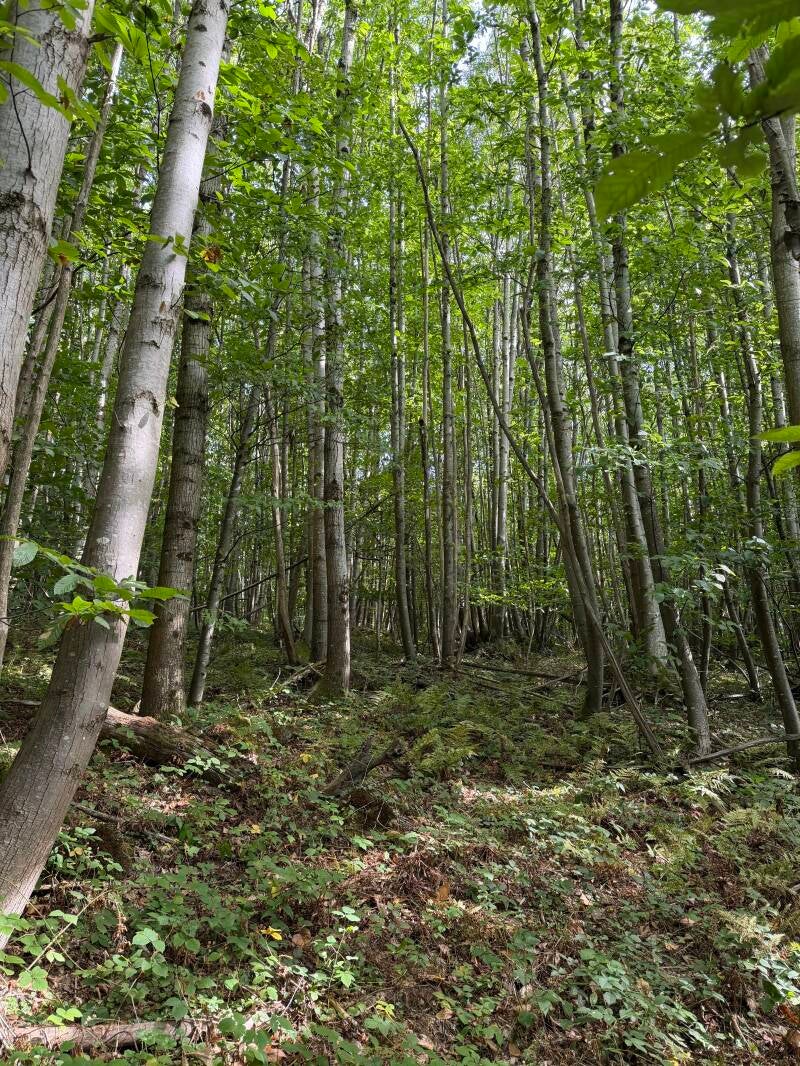
What Is Sweet Chestnut Coppicing and Why Is It Still Important?
Sweet chestnut coppicing has been part of woodland management in the South of England for generations, and it is still one of the best ways of producing useful, durable timber while keeping woodlands in active management.
For us, coppicing is where a lot of our work begins.
The sweet chestnut we harvest from woodlands across Surrey and Sussex goes on to produce a wide range of traditional fencing materials, as well as logs, kindling and charcoal.
What is coppicing?
Coppicing is a traditional method of woodland management where trees are cut close to ground level and then allowed to regrow naturally from the existing stool.
Rather than killing the tree, cutting encourages it to send up a new crop of shoots.
Over time, those shoots grow into straight poles which can then be harvested again once they reach the right size.
Sweet chestnut is particularly well suited to this system because it regrows strongly after cutting and produces straight, durable timber.
What happens when a coppice is cut?
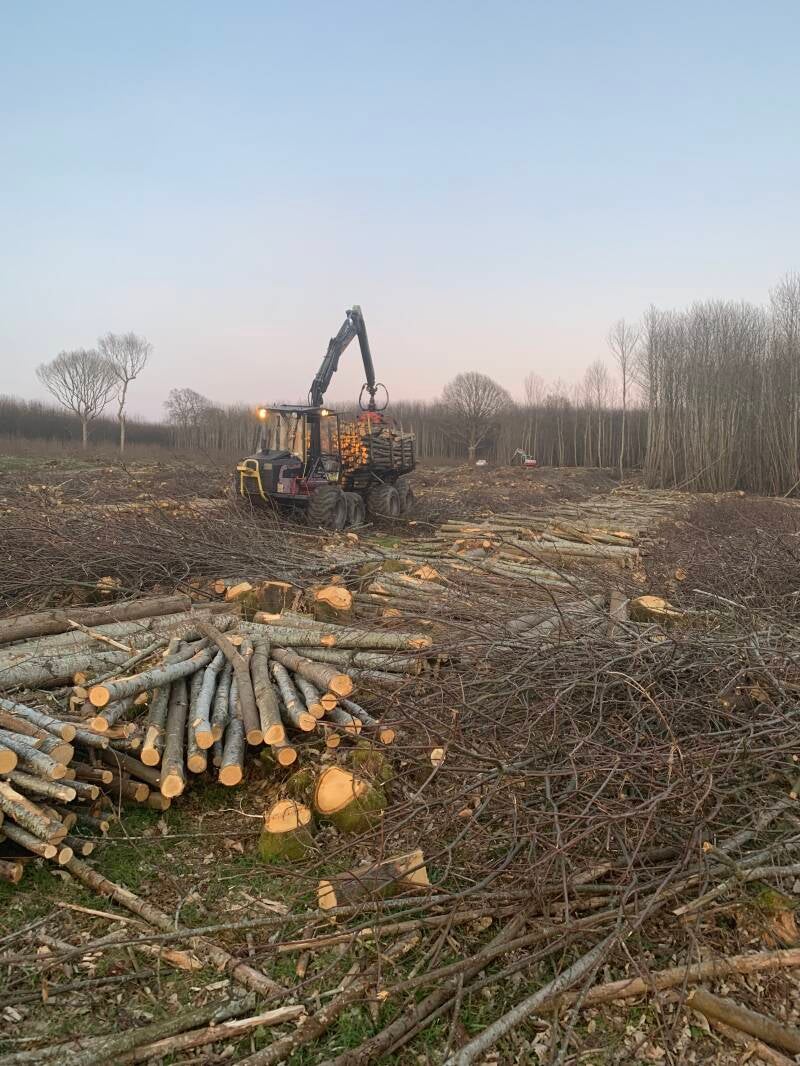
During the coppicing season, an area of woodland — often known as a coupe — is harvested.
The usable timber is sorted depending on its size and quality.
Larger and straighter material can be used for products such as strainers, posts and rails, while smaller material has other uses including stakes, logs, kindling and charcoal.
Once the area has been cut, light reaches the woodland floor again and the sweet chestnut stools begin producing fresh growth.
Within a relatively short time, the site can look completely different as new shoots appear and the next coppice cycle begins.
From coppice to fencing material
One of the main uses for sweet chestnut timber is fencing.
Because sweet chestnut contains naturally occurring tannins, the heartwood is naturally durable and is well suited to outdoor use without the need for chemical treatment.
Depending on the size and shape of the timber, we produce a range of sweet chestnut fencing materials including:
● Round and split stakes
● Strainers and struts
● Post and rail fencing
● Mortised posts
● Rails
● Cleft fencing material
Much of this is processed by us after harvesting, meaning we can follow the timber from standing coppice right through to the finished fencing product.
Why sweet chestnut fencing?
Sweet chestnut has been used for fencing for generations for good reason.
It is strong, naturally durable and well suited to agricultural, equestrian and traditional rural fencing.
It also has a natural appearance that fits particularly well into countryside and woodland settings.
For customers looking for a locally sourced alternative to pressure-treated softwood, sweet chestnut is well worth considering.
Keeping local woodlands working
Coppicing is not simply about cutting timber.
Regular management creates a mixture of woodland ages and structures, allows more light onto the woodland floor and keeps traditional woodland skills and local timber markets alive.
Without a market for products such as fencing, firewood and charcoal, many coppice woodlands become harder to manage economically.
By finding a use for as much of the harvested timber as possible, we can keep the woodland productive and make the most of each coppice cycle.
The start of another coppicing season
As we move towards another season of harvesting, we will be sharing more of the process — from standing sweet chestnut and freshly cut coppice through to peeled posts, rails, strainers and finished fencing materials.
For us, the finished fence starts long before the timber reaches the yard.
It starts in the coppice.
If you are looking for sweet chestnut fencing materials in Surrey or Sussex, or have standing sweet chestnut coppice that you are looking to have managed or sold, get in touch with MGE.
We supply a wide range of locally harvested sweet chestnut fencing products for farmers, fencing contractors, landowners and rural properties.


Add comment
Comments