

Why Coppicing Matters: How Our Woodlands Grow Back After Harvesting
Cutting down trees might not immediately look like conservation. But in a traditionally managed coppice woodland, cutting is actually what starts the next cycle of growth.
At MGE Coppicing and Chiddingfold Charcoal, woodland management is at the heart of what we do. Much of the timber we work with comes from coppice woodland – a traditional form of management that has shaped British woodlands for hundreds of years.
And one of the most impressive things about coppicing is just how quickly the woodland starts growing again.
What Is Coppicing?
Coppicing involves cutting suitable trees close to ground level and allowing them to regrow naturally from the existing stool.
Rather than planting a new tree each time, new shoots emerge from the established root system.
These shoots grow over a number of years before the area can eventually be harvested again, beginning another cycle.
What Happens After We Cut a Coppice?
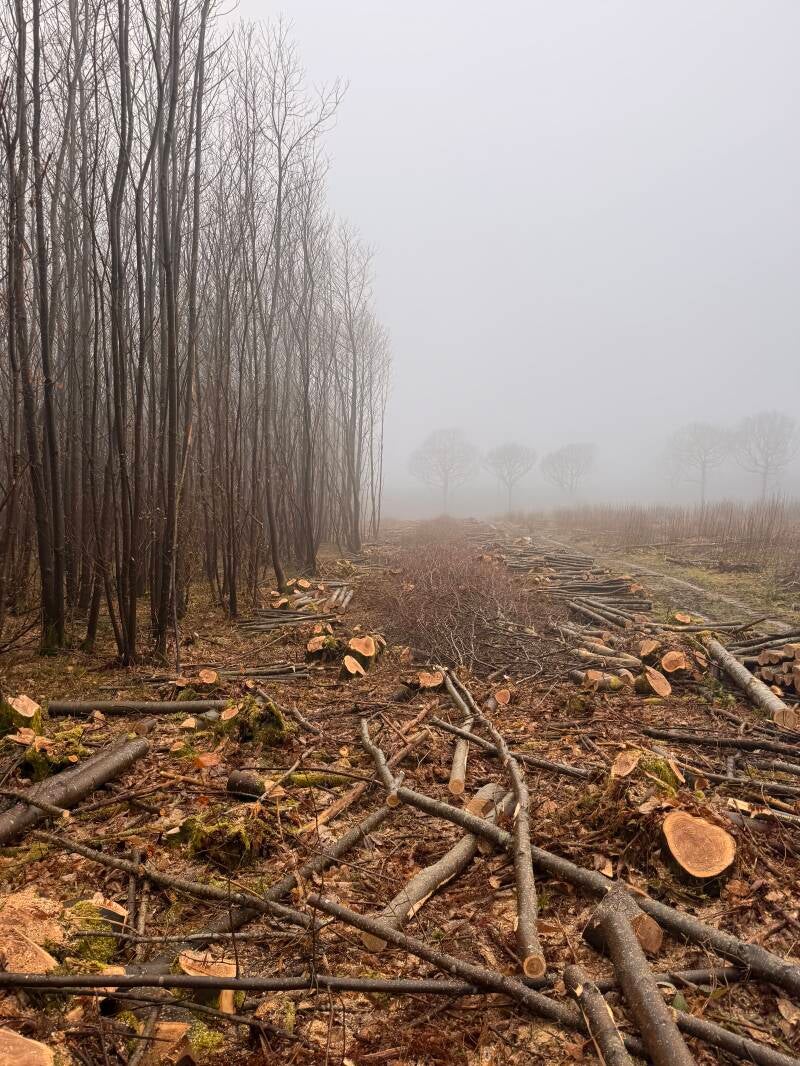
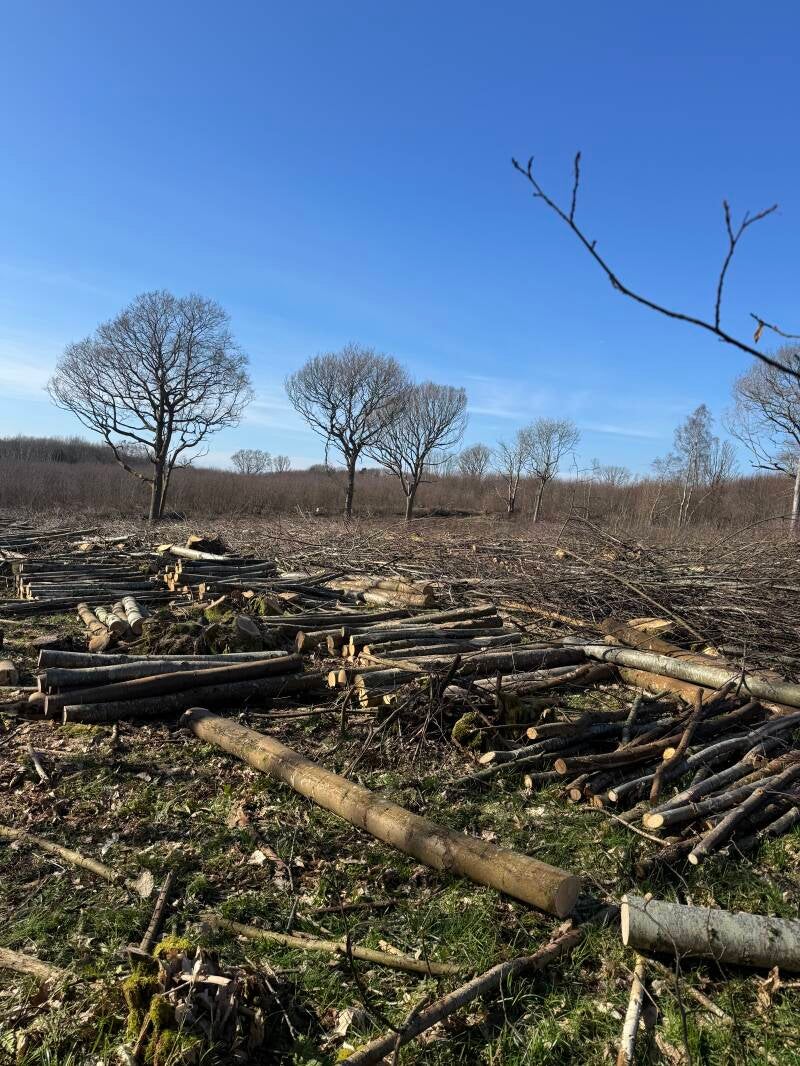
Immediately after harvesting, a coppice can look dramatically different.
More sunlight reaches the woodland floor and, as spring and summer arrive, new vegetation begins to appear.
Most importantly, the coppice stools themselves start producing new shoots.
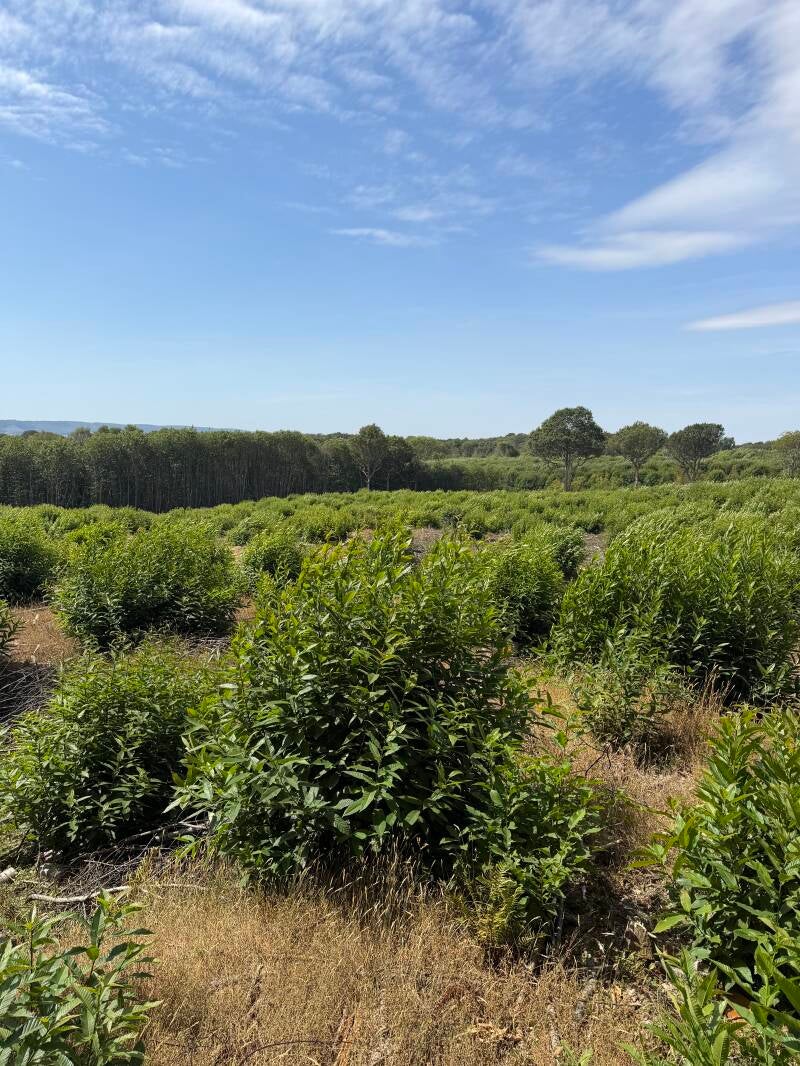
Within just one growing season, the change can be remarkable.
Why Cut Woodland at All?
Without management, many traditional coppice woodlands gradually become heavily shaded.
Coppicing temporarily opens the canopy, allowing more light to reach the woodland floor and creating a range of different woodland habitats as each area moves through its growing cycle.
By managing different sections at different stages, a woodland can contain newly cut areas, young regrowth and mature coppice all at the same time.
Producing a Useful British Resource
Coppicing also produces timber.
Sweet chestnut in particular has traditionally been valued for its naturally durable timber and can be used for fencing, stakes, rails and many other woodland products.
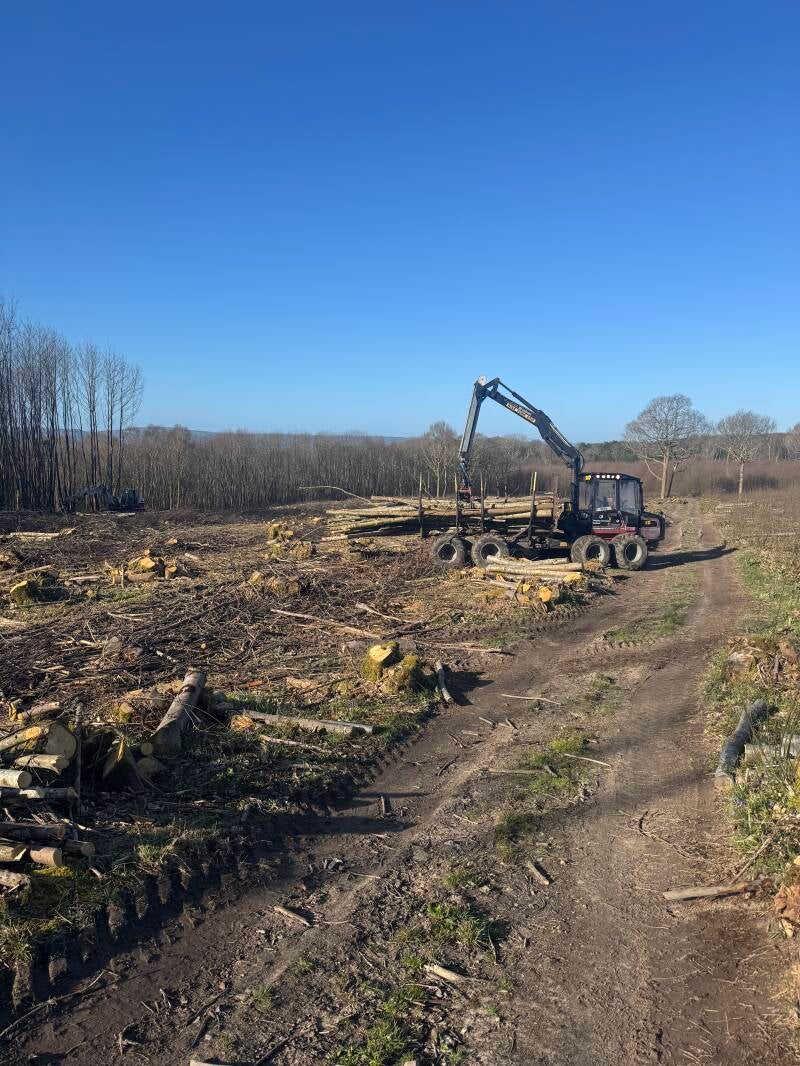
We aim to make good use of the timber we harvest. Suitable material can become fencing and other products, while other wood can be used for firewood and charcoal production.
That means we’re able to turn a renewable British woodland resource into useful products while the coppice begins its next cycle of growth.
See The Cylce For Yourself
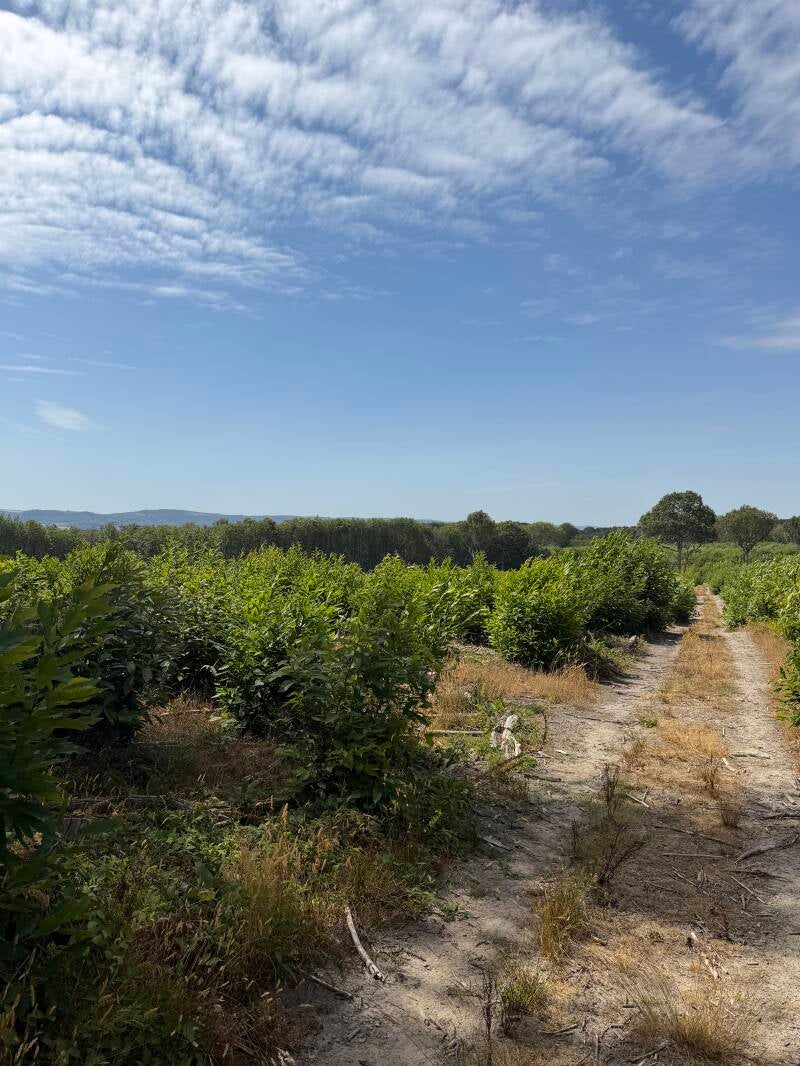
This is one of the reasons we enjoy working with coppice.
A freshly harvested area is only one moment in a much longer story.
The photos above show the same area of coppice just four months apart – from freshly cut woodland to vigorous new growth in a single growing season.
Return over the following years and those new shoots will continue developing into the next crop of coppice.
The woodland isn’t disappearing – it’s starting its next cycle.
And that’s the story behind much of the British timber we work with, from chestnut fencing to the wood that eventually becomes Chiddingfold Charcoal.
Add comment
Comments